

Key Takeaways
- The 2026 regulation strictly monitors not only water procurement but also discharge and recovery.
- Industrial water efficiency standards introduce specific limits based on sectors (textiles, food, chemicals, etc.).
- Digital water monitoring systems are becoming mandatory to prove legal compliance.
- Businesses that treat water management as a strategic asset can benefit from incentives and tax deductions.
2026 Legislative Analysis: What is Changing?
The year 2026 is considered a turning point for water management. New regulations have been fully aligned with the "Sustainable Development Goals" emphasized in the European Green Deal and UN-Water reports. Businesses are now expected not only to report how much water they use but to prove how they derive maximum efficiency from every drop.
Industrial Water Efficiency Standards and Sectoral Impacts
Industrial water efficiency standards are customized according to the production capacity and water intensity of each sector. For example, while the goal in the textile sector is to recover at least 30% of the water used in dyeing processes, the food sector is encouraged to install CIP (Clean-in-Place) systems that save water while maintaining hygiene standards.
| Sector | 2026 Target Efficiency | Mandatory Recovery Rate |
|---|---|---|
| Textiles and Apparel | High | 40%+ |
| Chemicals and Petrochemicals | Critical | 50%+ |
| Food and Beverage | Medium-High | 25%+ |
Water Use Permit Process for Businesses
With the Water Management Regulation 2026, the water use permit process for businesses is gaining a more digital and auditable structure. During applications, it will now be mandatory to submit a "Water Efficiency Plan" in addition to the capacity report.
Step-by-Step Application Process:
- Conducting a Water Audit: Identifying your business's existing water entry-exit points and leakage rates.
- Technical Report Preparation: Documenting the recovery technologies to be implemented and the expected savings rates.
- Online Application: Submitting documents via the relevant portal of the Ministry of Agriculture and Forestry.
- Field Inspection: On-site examination of the business's water measurement systems and treatment facilities by authorized units.
Sustainable Water Resource Management Strategies
While compliance is a necessity, treating water management as a strategy ensures long-term profitability. When creating sustainable water resource management strategies, the focus should be on the "3R" rule (Reduce, Reuse, Recycle).
Technologies for Legal Compliance
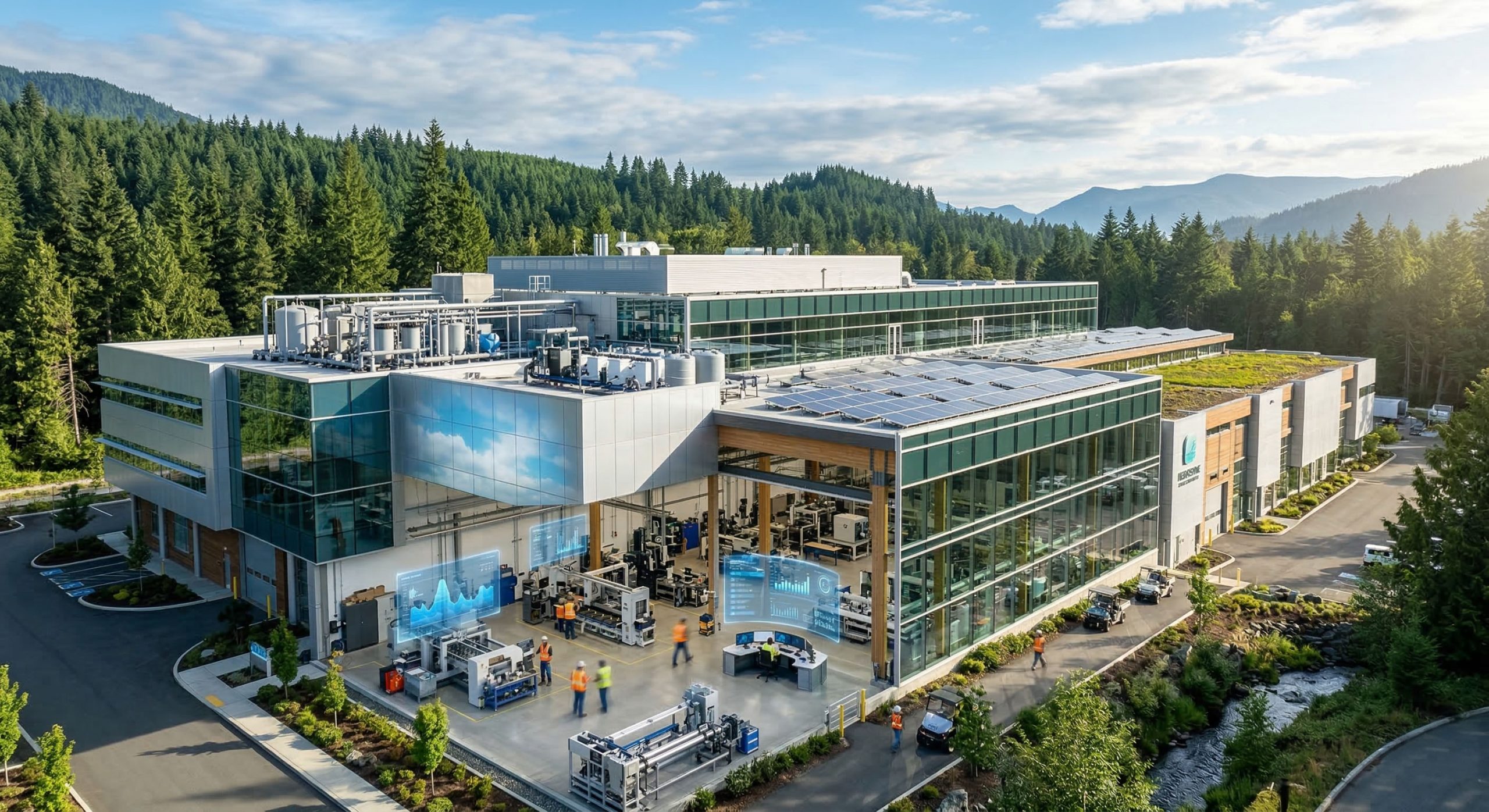
Manual measurements are no longer sufficient to ensure compliance with the regulation. Smart technologies provide data accuracy and simplify audit processes.
- IoT-Based Sensors: Monitor instant water consumption and alert for abnormal increases (such as leaks).
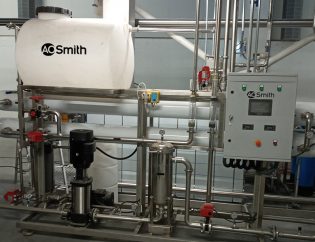
- Advanced Treatment Systems: Membrane Bioreactors (MBR) and Reverse Osmosis allow wastewater to be reused as process water.
- Blockchain Reporting: Recording water consumption data immutably builds trust for access to green financing.
Common Mistakes and Solutions
Many businesses view water management solely as a "treatment plant" investment. However, the biggest mistake is ignoring in-process improvements. Overlooking water leaks leads to tons of wasted water and money every year. The solution is to create a corporate culture where all personnel are trained on water efficiency.
Frequently Asked Questions
Future Vision: Digital Water Twins
In the post-2026 process, businesses are expected to perform simulations using "Digital Water Twins." This technology will allow companies to foresee the impact of a change in the production line on water consumption. Businesses that adapt early will take a leading role in carbon and water credit markets.
This article is for informational purposes. For current legislative changes, please follow the official announcements in the Official Gazette.